Postcards From the Field: Sarah Juster Writes from Uganda (Part 2!)
July 31, 2025
IGC Fellow, Sarah Juster, writes a postcard from the field to update us on her research in Uganda.

Dear GCC Community,
I hope this finds you well! I am writing again from Uganda’s Imvepi Refugee Settlement, where I have been working on several projects over the past five months.
First, with the support of a GCC Synergy Grant, we are establishing a Climate-Smart Agriculture field trial under the mentorship of Brian Strahm (FREC), John Munsell (FREC), and Brian Badgley (SPES). Our 3-acre trial will test the impact of regenerative agricultural solutions (biochar and agroforestry) on crop productivity and soil health, at a time when food aid cuts make communities increasingly dependent on rainfed agriculture.


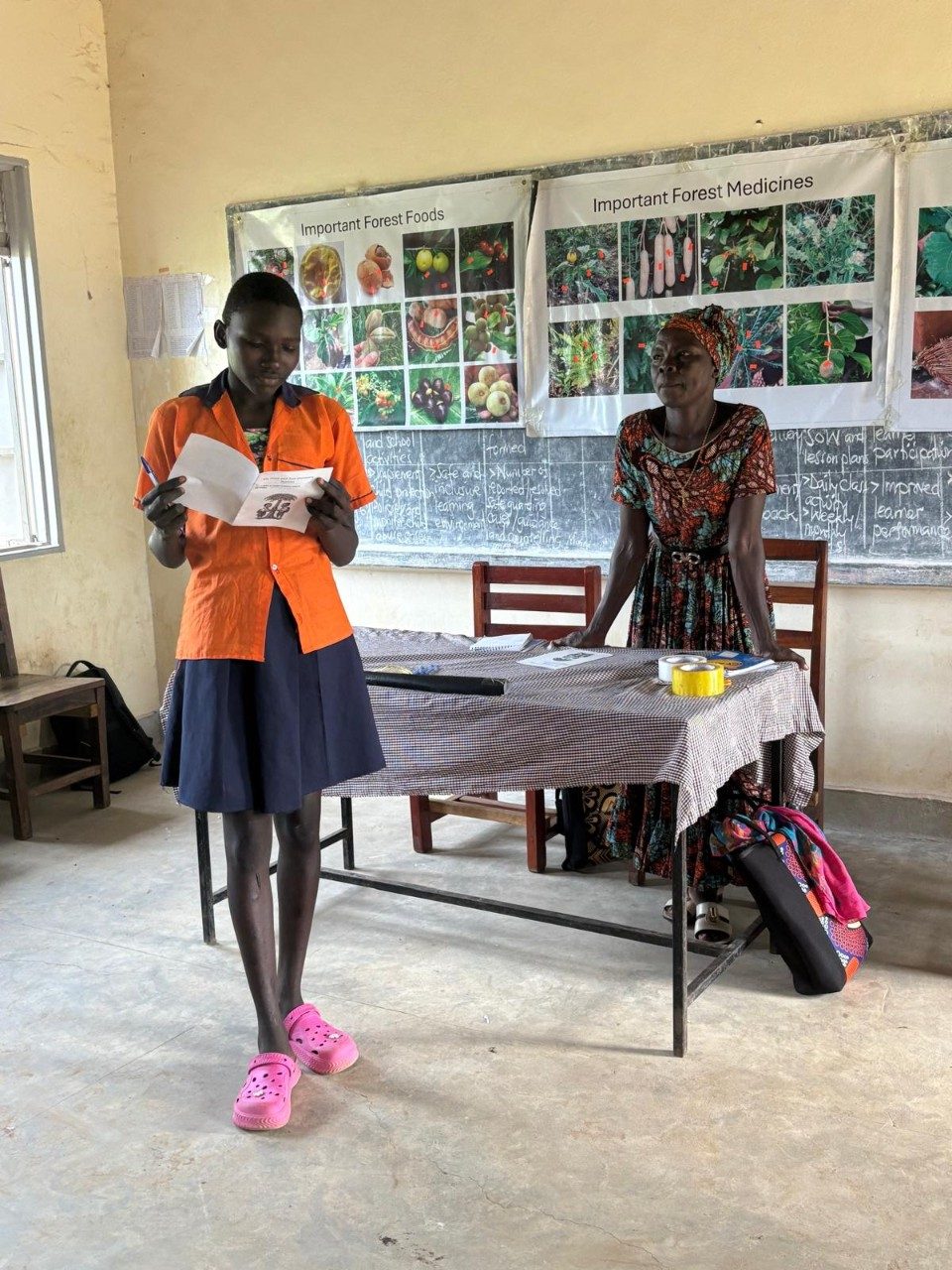
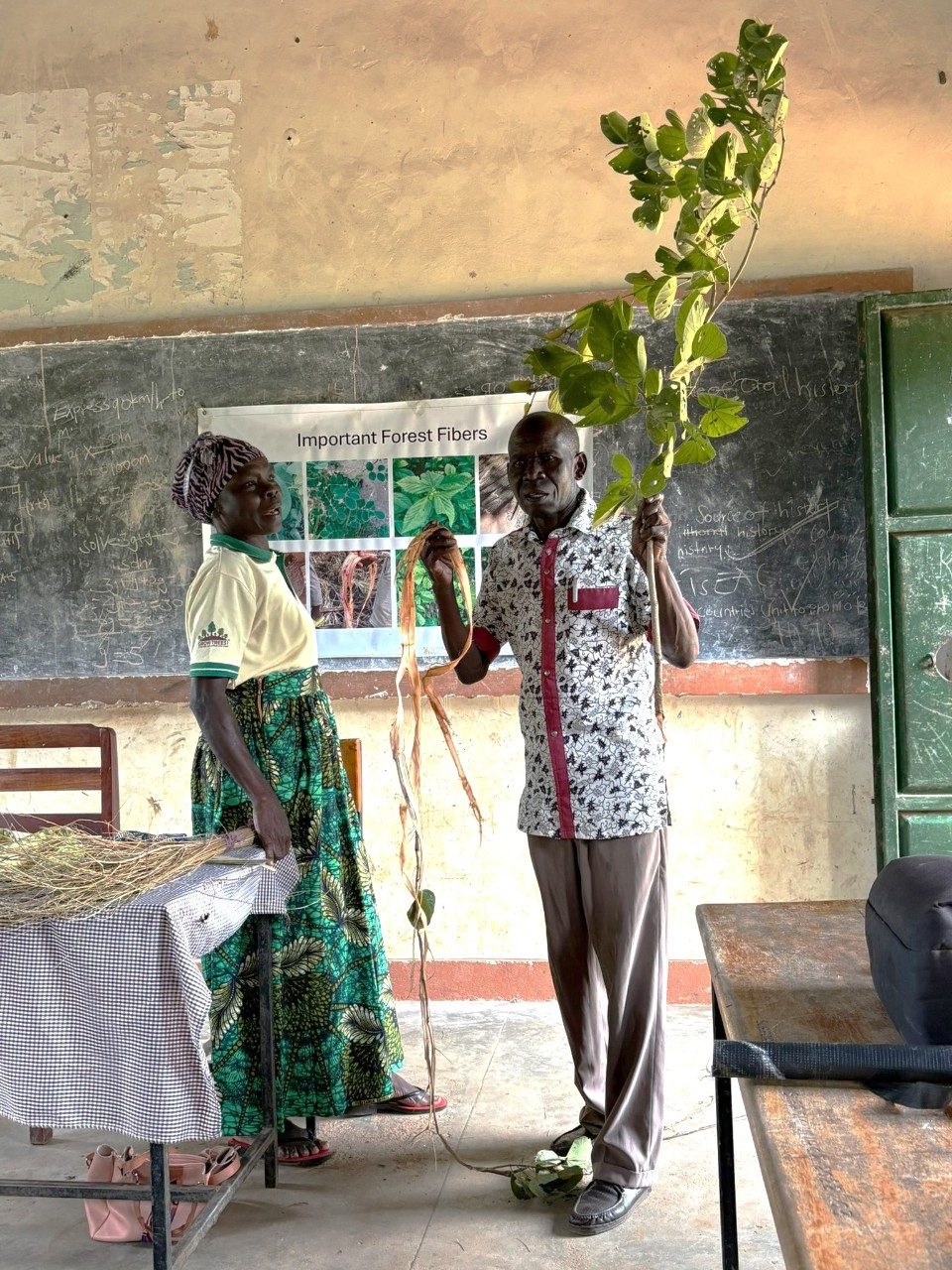
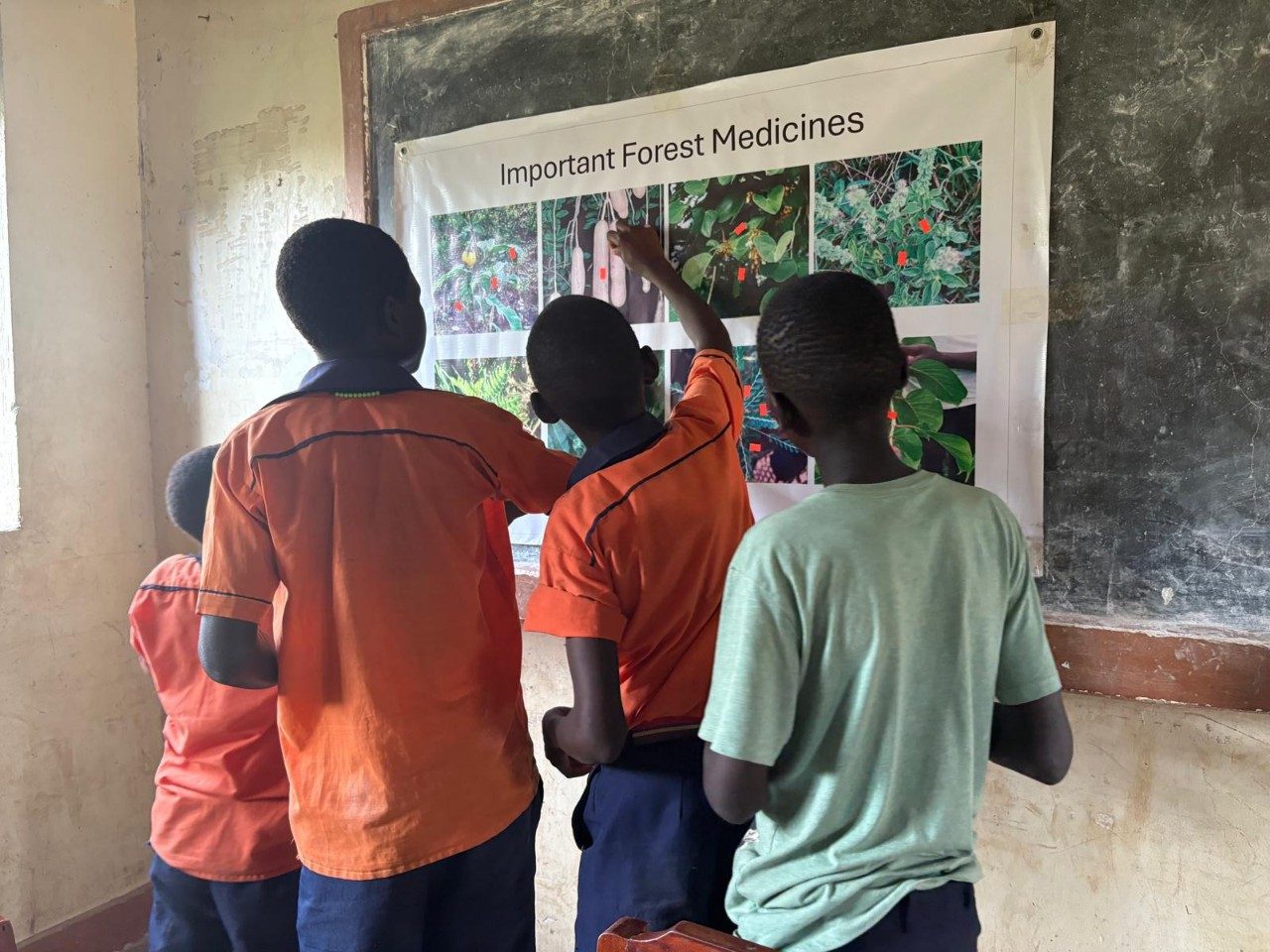
Second, I am convening community meetings to disseminate results from last year’s participatory mapping research. In 2024, our research team walked 512 miles with 240 refugees and hosts to study their access to and use of diverse forest resources, including fuelwood, food, medicine, and fiber. Participants identified over 120 plants and insects which help to fill humanitarian aid gaps and promote cultural continuity. Using large posters and maps to depict important forest products, we convened meetings village by village to validate findings, solicit feedback, and brainstorm locally developed forest conservation and livelihood solutions.


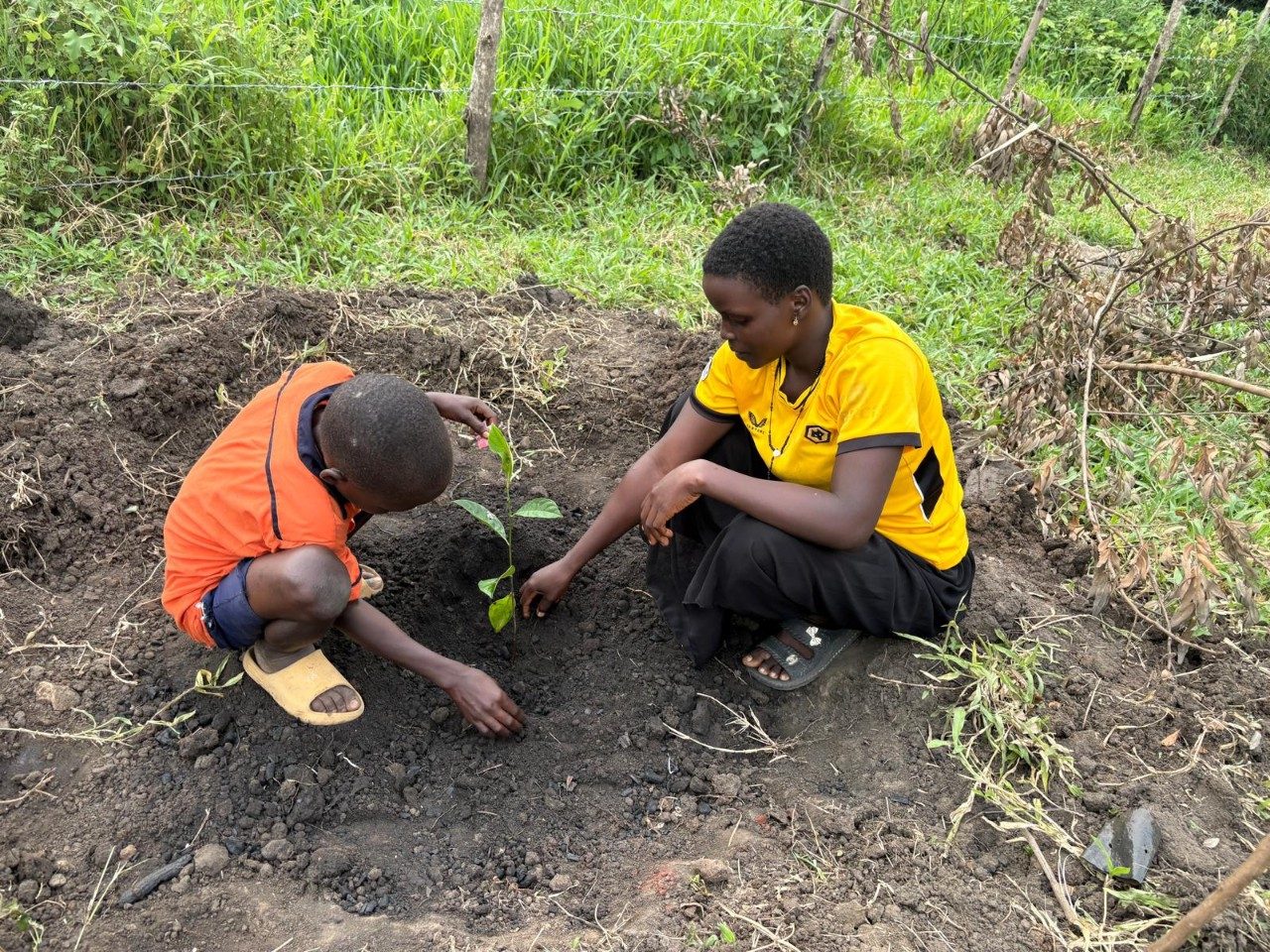
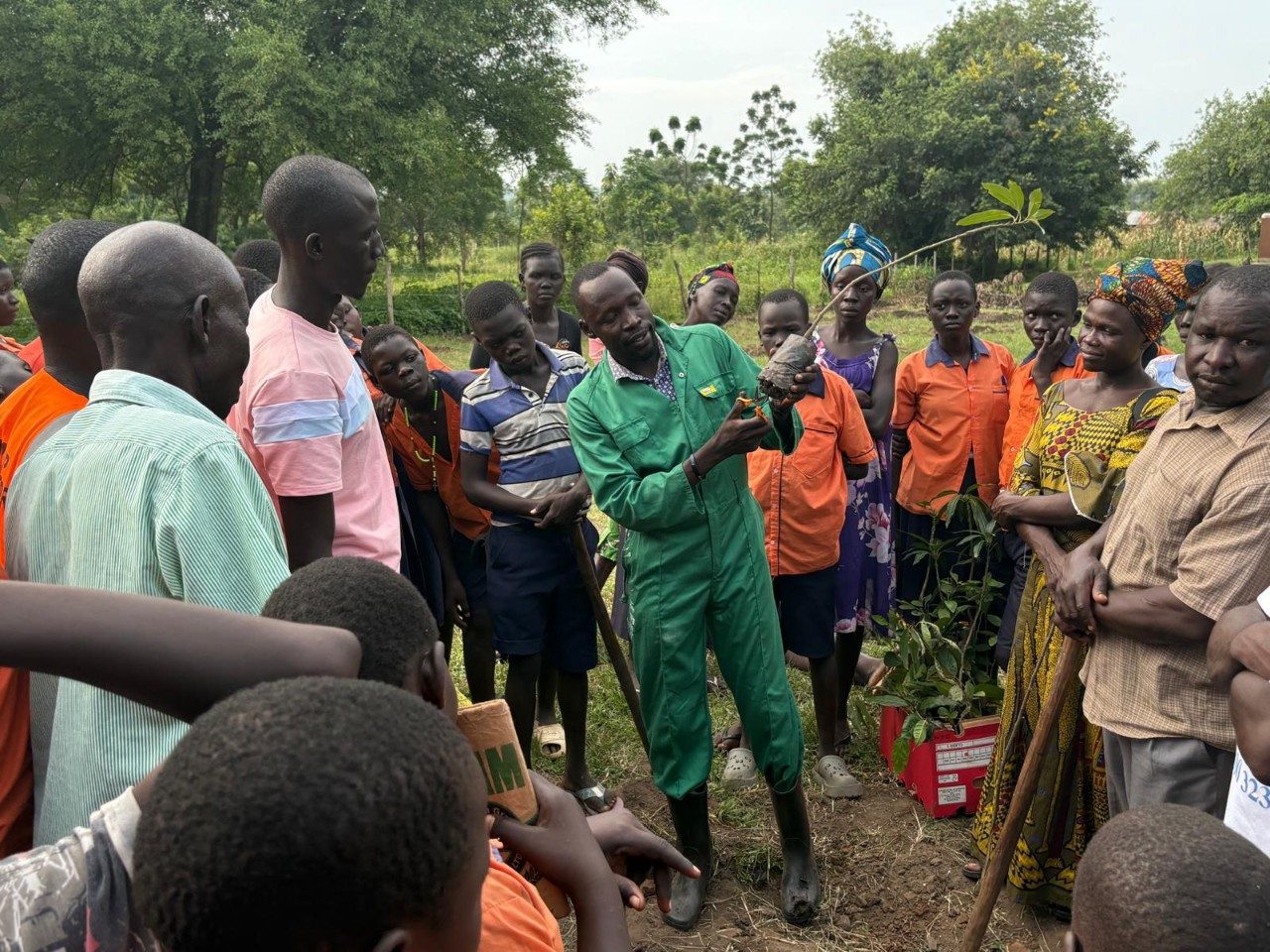
Third, we are piloting a forest biodiversity school curriculum with 30 refugee and host students in Imvepi’s Torit Primary School. The goal is to develop a replicable model for environmental sensitization and Indigenous Knowledge transfer in the school setting. We engaged community plant experts and teachers in developing a four-week, interactive curriculum that concluded with students and parents planting their own trees around the school compound. It was a great success, and a lot of fun! You can read more about the program on my blog.
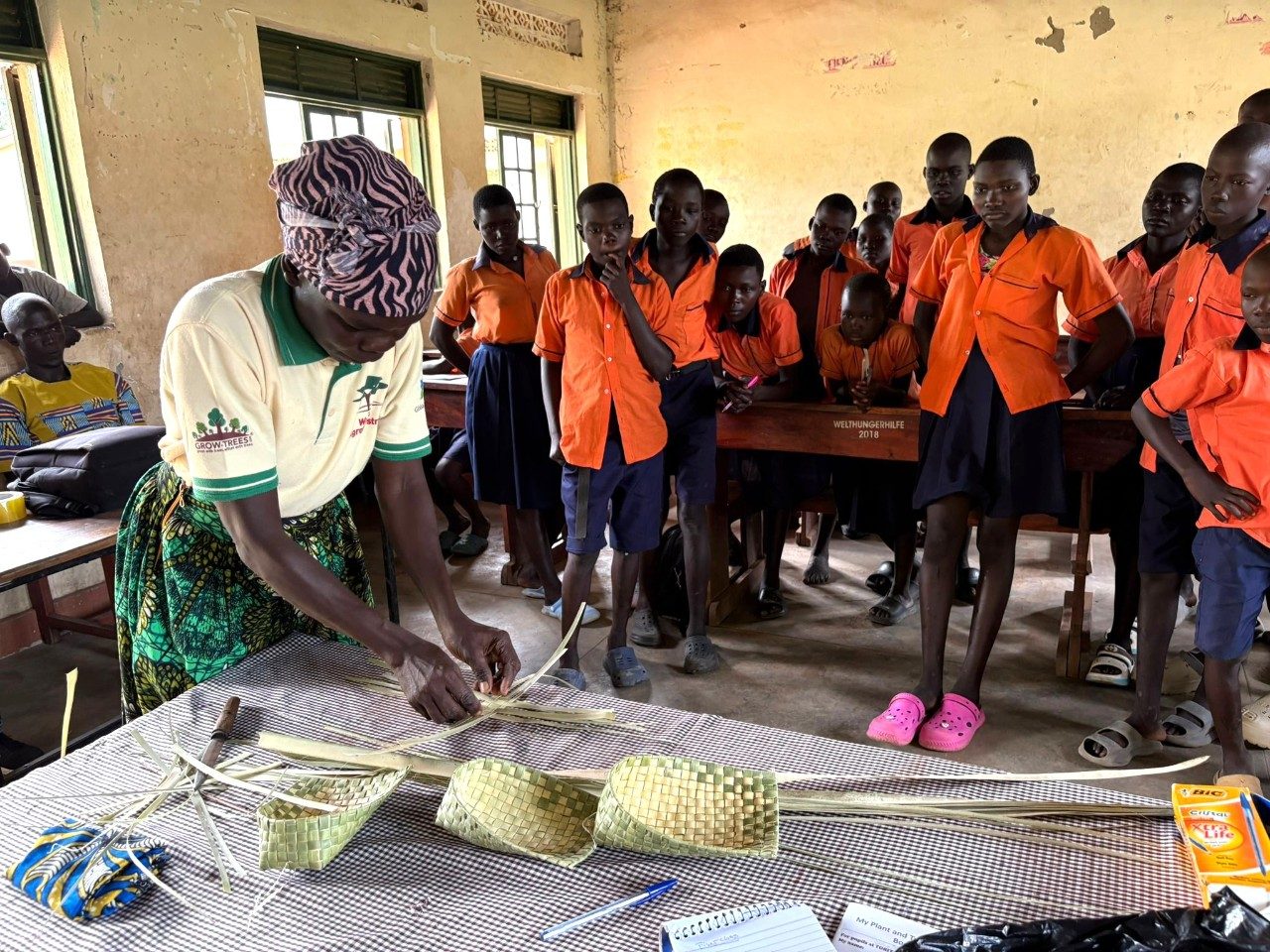
A community expert demonstrates how to weave baskets from African Fan Palm leaves
That is all from here! Please stay well, and I look forward to seeing you in the Fall.
- Written by Sarah Juster.